INTRODUCTION
A well-designed landscape does more than improve curb appeal. It shapes how you experience your home daily. From quiet mornings outdoors to hosting friends and family, the right landscape design can turn an ordinary yard into a useful and inviting extension of your living space. Understanding the basics of residential landscape design helps homeowners make confident decisions and achieve lasting results.
UNDERSTANDING THE PURPOSE OF YOUR OUTDOOR SPACE
Before choosing plants or materials, it’s important to define how you will use the space, especially when looking for contemporary yard design inspiration that balances style with practicality. Some homeowners want low-maintenance greenery, while others focus on entertainment areas, children’s play zones, or peaceful retreats. Clear goals help the design support real-life needs instead of just looking nice. When function guides form, outdoor spaces feel natural and easy to use.
LANDSCAPE DESIGN PRINCIPLES THAT MATTER
Successful landscapes balance visual appeal with practicality. Proportion, flow, and cohesion are key principles that guide layout decisions. Pathways should feel natural, plant groupings should look intentional, and open spaces should feel neither crowded nor empty. Thoughtful planning also reduces maintenance by avoiding awkward corners, excessive lawn areas, or plants placed in unsuitable conditions.
CHOOSING A CONSISTENT DESIGN STYLE
A consistent design style creates visual harmony throughout the property. Whether the look is modern, traditional, or relaxed and natural, keeping materials, colors, and shapes uniform maintains a unified landscape. Design style influences everything from paving choices to plant selection and outdoor furniture. When style decisions are made early, the entire project feels more polished and clearer.
BALANCING HARDSCAPE AND SOFTSCAPE ELEMENTS
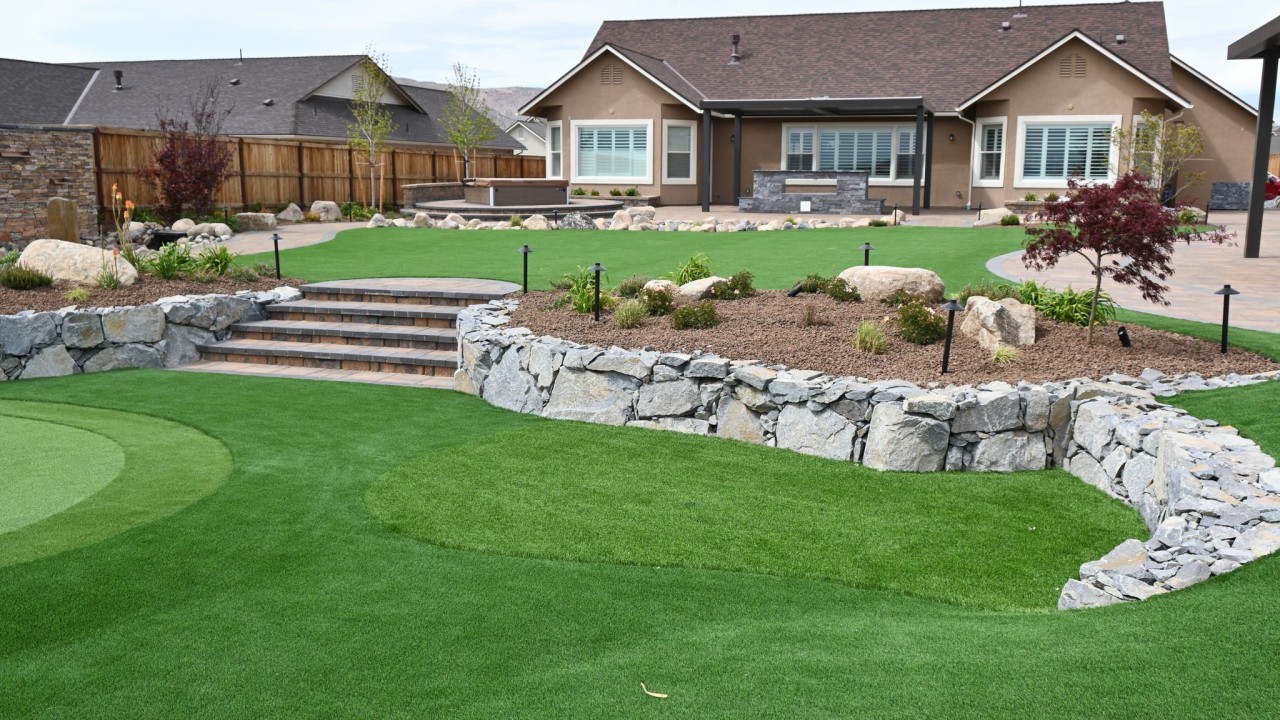
Residential landscapes rely on a careful mix of hardscape and softscape features. Hardscape elements like patios, walkways, and retaining walls provide structure and usability, while plants soften the space and add life. Both should complement each other instead of competing. Durable materials and climate-appropriate plants ensure the landscape remains attractive year after year.
SMART PLANT SELECTION AND PLACEMENT
Plants play a major role in how a yard looks and works over time. Choosing species suited to the local climate reduces water use and maintenance. Layering trees, shrubs, and groundcovers adds depth and visual interest while providing shade, privacy, and seasonal variety. Grouping plants with similar care requirements also helps keep gardens healthy and manageable.
PLANNING FOR BUDGET AND LONG-TERM GROWTH
A landscape plan serves as a roadmap, helping homeowners prioritize investments. Some elements may be installed at once, while others can be added over time. Planning avoids costly changes later and allows the landscape to mature naturally. Considering maintenance needs from the start ensures the design remains enjoyable instead of overwhelming.
FINAL THOUGHTS
Residential landscape design is about creating outdoor spaces that feel both beautiful and liveable. With thoughtful planning, consistent style choices, and smart material and plant selections, any yard can be transformed into a welcoming environment that enhances daily life and adds long-term value to the home.