Introduction
Office buildings, commercial spaces, hospitals, and industrial facilities rely on a wide range of systems to operate efficiently, including electrical networks, HVAC units, plumbing, structural components, and safety equipment. Over time, these systems can wear down, leading to unexpected failures and costly repairs if not properly maintained. Proactive maintenance focuses on identifying and addressing potential issues before they become major problems. By adopting a structured approach, facility managers can improve system reliability, reduce operational costs, and maintain a safe environment for occupants. preventive maintenance for businesses plays a key role in ensuring smooth operations, minimizing downtime, and extending the lifespan of critical infrastructure.
Consolidating Major Equipment Failures.
Prohibition of major equipment failures is one of the main advantages of proactive maintenance. Facility managers also inquire about equipment and take care of it on a regular basis to see that it is in good condition rather than waiting until they fail.
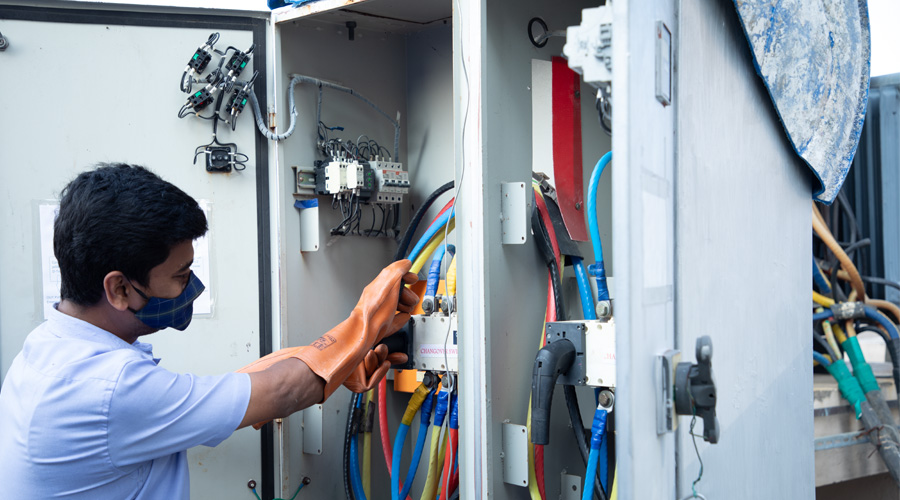
To illustrate, the regular inspection of heating, ventilation and air-conditioning systems can be used to detect worn parts or even minor leakages before they result in total system failure. In modern facilities, technology solutions created by companies such as Siemens are frequently employed to check the performance of the system and observe the first signs of a failure.
Minimising Long-term Maintenance expenses.
Preventive maintenance is used to minimise the operational expenses in the long run. Small problems can be repaired within a short period of time at a reduced cost when they are made known at the earliest stages. Neglecting minor issues may cause massive destruction that costs a lot in terms of replacement or massive repair. Scheduling and routine servicing and maintenance schedules are enough to make sure that the systems within the facilities keep running smoothly, and that no financial strain will occur out of the blue.
Increasing the Lifecycle of Infrastructure.
The facilities are a huge investment for businesses and organisations. To safeguard this investment, proactive maintenance is essential because it will help to increase the lifespan of infrastructure and equipment. Systems wear and tear can be minimised by regular servicing, cleaning, and fine-tuning. The International Facility Management Association indicates that where proactive maintenance programs are embraced, the life of equipment is usually extended and the performance of the facility is enhanced.
Enhancing Capacity and Regulatory Conformance.
A facility considers safety as its priority. Inefficient electrical systems, broken structural elements, or faulty equipment may pose a risky environment to the workers and visitors. Active maintenance will make sure that safety systems, alarms, fire protection equipment, and structural elements are in good condition. Regular checks also contribute to ensuring that the facilities meet the safety rules and industry standards and minimise the possibility of accidents and legal issues.
Improving Operational Effectiveness.
Facilities that are well-maintained run better. Machines that are regularly maintained are more efficient and use a little energy, which also leads to reduced cost of operation. Maintenance is also proactive thus reducing the impacts on the normal running of activities. Monitoring and maintenance of systems reduces the chances of unexpected shutdowns by a large proportion. This enables the companies to be productive and prevent expensive downtime.
https://www.youtube.com/watch?v=FMbzPKL7qKg
This is in support of Better Asset Management.
To manage the performance and condition of assets, proactive maintenance assists facility managers in monitoring the assets of the organisation more efficiently. Maintenance and inspection reports, and performance data are useful in the performance of systems. This data enables organisations to strategise on repairs, upgrades or replacements. Improved asset management can guarantee that the facilities are stable and can withstand the business operations over a long period of time.