
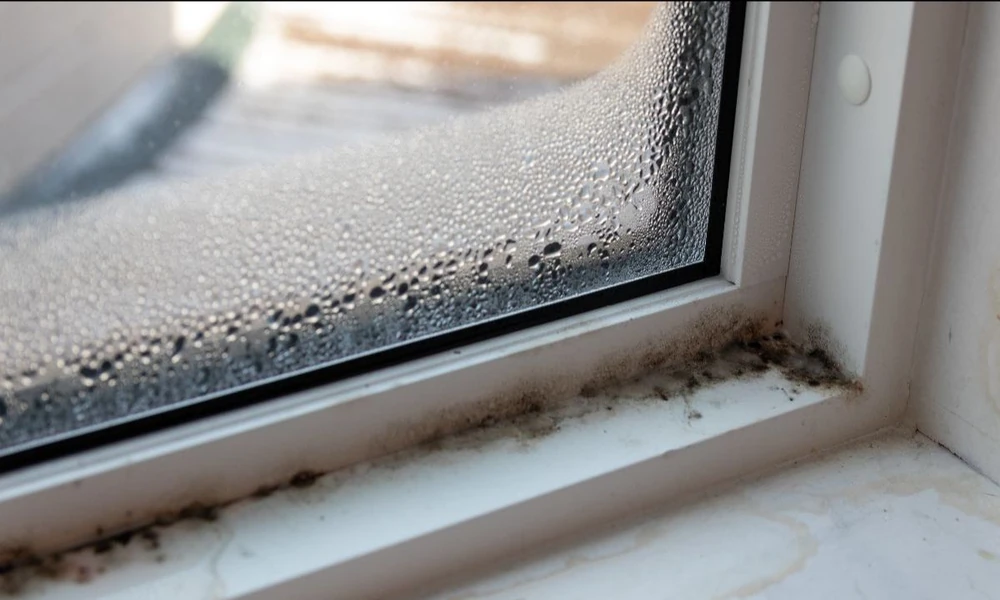
Ask most people about mold in Southern California and they will point to coastal towns with marine layer mornings. Inland valleys like Santa Clarita feel like the opposite story, with summer afternoons that push past 100 degrees and humidity that drops into the single digits when the Santa Ana winds blow. Yet local restoration crews pull moldy drywall out of homes in Valencia, Saugus, Canyon Country and Newhall every month of the year. The dry air outside has very little to do with what happens inside a wall cavity, a slab or an attic, and each season tends to hand mold a different source of water.
That is why homeowners searching for Santa Clarita mold remidiation are usually better served by a team that treats the leak and the growth as one problem. Corerestoreinc.com sends IICRC certified technicians out of its San Fernando office into the valley around the clock, and the visit starts with a free inspection plus mold testing when the source is unclear. Containment, removal and drying follow, then rebuilding of whatever had to come out, with insurance billed directly and payment plans offered when coverage falls short.
Winter Rain Finds the Weak Spots
Santa Clarita gets most of its yearly rainfall in a handful of winter storms, and recent atmospheric river seasons have shown how much water can arrive in a few days. Roofs on tract homes built in the 1980s and 1990s are now reaching the end of their tile underlayment life, so a roof that looks fine from the street can leak onto attic insulation for weeks before a ceiling stain appears. Stucco walls are another entry point. Cracks around windows, missing sealant at light fixtures, and weep screeds buried under soil or pavers let water soak into the sheathing behind the stucco, where it stays dark and damp long after the sky clears.
Hillside lots add runoff to the mix. When drainage swales clog with debris, water pools against the foundation and wicks into the bottom plates of walls. Garages and lower rooms built into slopes are frequent trouble spots after a wet week.
Spring Sprinklers Do Damage Slowly
As landscapes wake up, irrigation timers start running again, often set more aggressively than they need to be. A spray head aimed at the house rather than the lawn can wet the same section of stucco several times a week for months. Planters built directly against exterior walls hold soil moisture right where the framing meets the slab. None of this looks dramatic, which is exactly the issue. Mold from irrigation tends to be discovered when a baseboard swells or a closet starts smelling musty, not when the water first arrives.
Summer Heat Hides Water in the Attic
Many valley homes have their air handler sitting in the attic, along with the condensate line that carries water away from the cooling coil. On a long hot day that system can pull gallons of water out of indoor air. If the drain line clogs with algae or the secondary pan rusts through, the overflow lands on drywall and insulation directly above a bedroom or hallway. Because attics are rarely visited in July, a slow drip can run all season.
Summer is also when plumbing leaks get noticed through other clues. Hard water in the area can be rough on older copper lines, and pinhole leaks inside walls or under slabs often show up first as a spike in the water bill, a warm spot on a tile floor, or a hissing sound at night.
Fall Brings Smoke, Hoses and Closed Windows
Autumn is wildfire season in the Santa Clarita Valley. Homes near a fire line can be soaked by hoses or aerial drops, and that water is often left to sit while families are evacuated or waiting on insurance. Smoke damage and water damage then compete for attention, and the wet materials lose. Later in the year, as nights cool, homes get closed up and showers, cooking and drying laundry raise indoor humidity in bathrooms and closets with little airflow.
What Real Remediation Looks Like From the Inside
Whatever season the water came from, the cleanup follows a similar path. The EPA guide to mold, moisture and your home suggests bringing in professional help when growth covers more than about 10 square feet, when contaminated water was involved, or when the heating and cooling system may be carrying spores. A proper job usually moves through these stages in order.
- Finding and fixing the moisture source. Cleaning without repairing the leak almost guarantees the mold comes back.
- Setting up containment. Plastic sheeting and zipper doors seal the work area, and HEPA filtered air machines keep it under negative pressure so spores do not drift into clean rooms.
- Removing what cannot be saved. Porous materials like drywall, insulation and carpet pad with growth on them are cut out and bagged rather than sprayed and left in place.
- Cleaning what can be saved. Framing and other solid surfaces are HEPA vacuumed and scrubbed, and sometimes sanded where staining runs deep.
- Drying to a measurable goal. Moisture meters confirm the structure is truly dry before anything is closed up again.
- Verifying the result. A visual check, and often clearance air sampling by an independent assessor, confirms the area is ready for rebuilding.
Bleach is noticeably absent from that list. It can lighten the stain on a surface while leaving roots in porous material, and it adds moisture back to the very spot you are trying to dry.
Testing, Health and the Rules Around Rentals
Air and surface sampling can help when there is a musty smell with no visible growth, or when you want proof that cleanup worked. It cannot tell you whether a home meets a legal limit, because neither federal agencies nor California have set exposure limits for indoor mold. Sampling is most useful as a comparison between indoor and outdoor air, read by someone who understands the results.
Health effects vary widely. Some people notice nothing, while others with allergies, asthma or weakened immune systems react strongly to even modest growth. Anyone with lingering symptoms after cleanup should speak with a doctor rather than assume the building is still the cause.
For renters and landlords, California law treats visible mold that goes beyond minor surface spotting as a condition that can make a unit substandard. Tenants should report leaks and musty odors in writing, and owners are expected to address both the growth and the water behind it.
Reading the House Before Mold Does
The homes that avoid large remediation bills are not the ones in the driest neighborhoods. They are the ones where someone checks the attic drain pan before summer, walks the roof line after the first big storm, aims sprinklers away from stucco, and treats a musty closet as a clue instead of an annoyance. Mold in this valley rarely announces itself loudly. It shows up in small signals that change with the calendar, and paying attention to them is still the cheapest form of protection a homeowner has.